What is the best laser for engraving plastic?

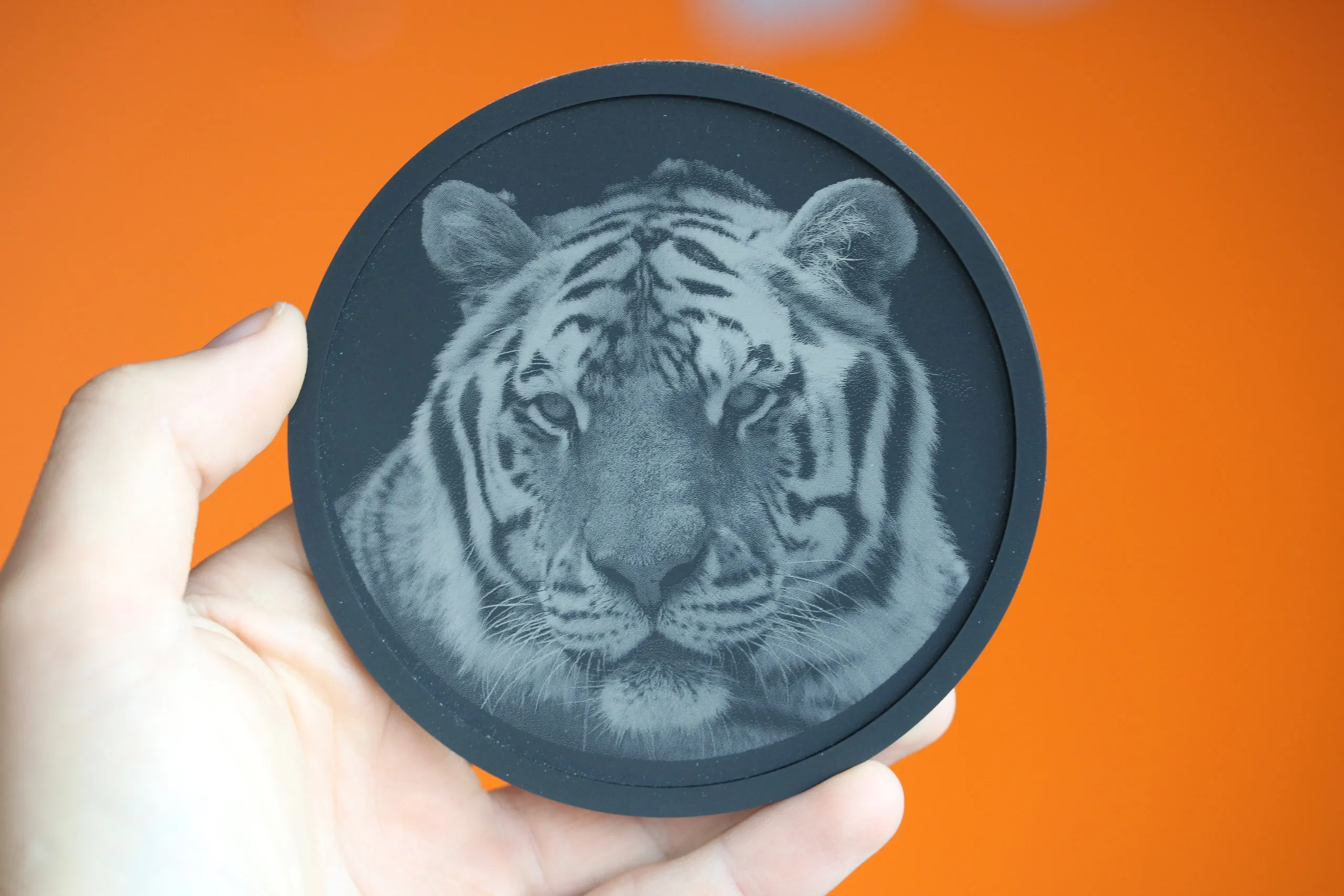
For most plastics, UV lasers are by far best choice. They create permanent, high-contrast marks without heat damage, distortion, or melting – even on sensitive polymers that fibre and CO₂ lasers struggle with, and may damage. From ABS and PC to PVC, silicone, PET, resins and medical plastics, Lotus UV lasers deliver clean, repeatable results across the widest material range.

Explore Range Talk to an Expert

How effective are different laser types on plastics?

Choosing the correct laser source is the single most important factor when marking, engraving or cutting plastic. The tabs below show how each technology performs and where it is best used.

UV lasers are the most compatible and stable solution for plastic marking and fine engraving. They modify the surface at a molecular level rather than through heat, allowing sensitive polymers to be marked without distortion or discolouration.

UV is the preferred choice for cosmetic parts, electronics, medical devices, packaging and traceability applications where clarity and consistency are critical.

MOPA fibre systems allow greater control over pulse duration and frequency, enabling improved contrast and limited colour change on certain plastics.

While more flexible than standard fibre, the process is still thermal and therefore not suitable for heat-sensitive or thin plastic components.

Typical MOPA Fiber
Fiber lasers operate at a wavelength of 1064nm, best suited for marking across a wider variety of metals. Their power means they can achieve surface marks and deep engraving all in one system and are typically better for engraving metals than CO2 or UV laser systems.

CO₂ lasers are primarily used for cutting and engraving thicker plastic sheets such as acrylic, rubber, foam and PET. They rely on controlled melting and vaporisation to remove material.

For marking applications, compatibility is limited and surface burning or edge deformation is common on many plastics.

Fibre lasers can mark selected plastics that absorb infrared energy, typically darker or filled polymers. The process is heat-based, so results depend heavily on material type, additives and colour.

They are often used where plastic is thick, non-cosmetic and able to tolerate thermal stress.

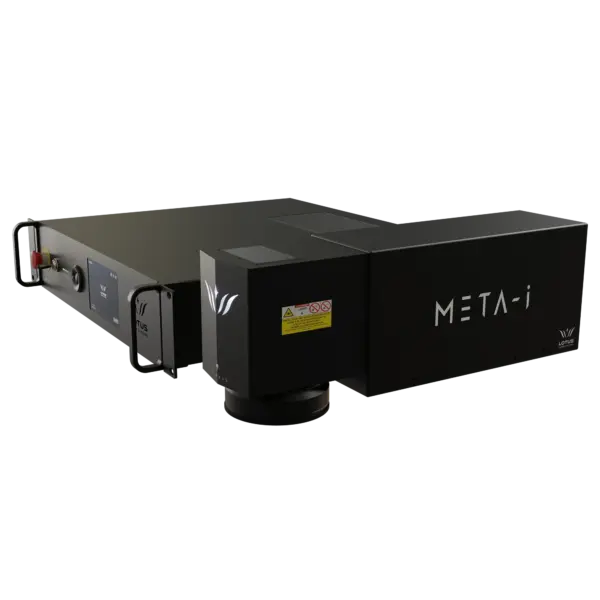
Lotus MOPA Fiber
True 3D technology as standard for marking curved or complex surfaces. Fastest results; widest range of metals.

Why UV is the best laser for plastic

Most plastics react poorly to heat. Fibre and CO₂ lasers mark by raising the surface temperature, which can cause melting, deformation, discoloration and toxic fumes.

UV lasers behave differently. They interact with the plastic at a photochemical level, meaning the surface is modified without thermal damage. This is why UV is the preferred technology for industries where quality, safety and consistency are critical.
This is why UV is the industry standard for medical, electronic, automotive and high-precision plastic marking.

Not all lasers interact with plastic in the same way. Some rely on heat, others on photochemical change. The result can vary from crisp, high-contrast marks to melted edges, discolouration or surface stress.

FAQ

Although UV is the best all-round solution, fibre and CO₂ lasers still have their place.

Fibre lasers can mark some filled or dark plastics, but the process is heat-driven and can be inconsistent across batches. CO₂ lasers are most commonly used for cutting thicker plastics such as acrylic, rubber and foam, where controlled melting is acceptable.

For marking and fine engraving, UV remains the most reliable choice.

Some plastics contain fillers or pigments that absorb infrared energy, allowing fibre lasers to mark them. However, results vary between batches and grades.

CO₂ relies on heat. Many plastics melt or burn before a clean contrast can form.

Yes, for thin and precision parts where heat damage must be avoided. CO₂ remains faster for thick sheet cutting.

For industrial use, a powerful MOPA fiber system is required. Additionally, it should be Class 2 safety certified, LEV compliant with powerful extraction to meet employee safety regulations. It should also feature components such as pneumatic doors which won’t wear out over prolonged use.

Doors with hinges, cables, and mechanical switches are not suited for industrial use as these components are likely to wear out very quickly.

Switches, HMI’s and interfaces should be IP65 rated and preferably support millions of presses/cycles/operations, or years of continual use.

All Lotus laser engraving machines use automatic, safety-sealed doors. They are built using switches rated for over 5 million cycles, along with interfaces and electronics designed to last for decades, allowing for maximum efficiency, longevity, and durability.

MOPA fibers offer more flexibility in power delivery. Regular fiber lasers will be limited to one engraving setting that can only mark metals in one specific way.

Because MOPA fiber systems allow much more fine control over the power delivery, these are superior for engraving a variety of materials, from stainless steel to aluminium, with different results in terms of colour and contrast.

Lotus MOPA fiber systems provide even more power flexibility than other MOPA engraving machines, taking this level of quality, versatility, and power much higher and opening up more engraving applications and consistent, repeatable colour marking.

A professional metal laser etcher should offer lots of power flexibility, and should operate as Class 2, meaning the doors have an interlock feature providing protection from laser radiation.

Hobbyist lasers tend to be Class 4 and aren’t safe for longtime use, requiring protective eyewear, they are easily spotted as the will be open air (no door), or may have a plastic semi-transparent door/enclosure, but don’t use truly protective materials if you see their laser classification designation (class 4).

For these reasons, a truly professional metal laser etcher can cost upwards of £18,000, to ensure consistent results on all metals and a safe working environment.

1) Lotus Laser Systems: with 30 years’ experience and with MOPA systems that offer superior quality and consistency compared with other laser engravers. For engraving on metals, a Lotus MOPA Fiber engraving machine will be the most powerful and reliable system you can buy.

2) Keyence: Keyence offers fiber engraving systems for coding applications. These systems are effective for metal engraving but typically lack the Class 2 safety requirements for an industrial engraving system.

3) Trotec: Trotec make fiber engraving systems that are self-contained but have limited options in terms of wattage and power delivery.

A MOPA fiber laser engraver is the best for stainless steel. With a MOPA fiber, you can engrave high-contrast QR codes for traceability. With more advanced systems like Lotus Fiber that have wider waveform options and stable, micro z-axis positioning you can etch colours directly onto the metal with no preparation work required, and you can produce results with very fine and accurate detail.

Lotus MOPA Fibers provide even more flexibility in power delivery than other laser systems, meaning annealing that’s clearer and more durable, deep engraving that’s far faster with high-wattage systems like our 200w versions, and more variation and vibrancy when colour marking because of the wider range of power settings.

What Our Customers Say

Find out how our systems perform in the real world and help our customers generate profit – quickly, consistently and without fail.

Our engraved sales have increased twenty-fold
Thomas Hristov
Owner, Chisholm Trail Crafts
It took me 15 years to find a machine like Lotus
If you don't buy right, you buy twice.
No Idea
Co-Founder, Karpas Engineering

What systems do we advise for plastics?

For plastic marking and fine engraving, we recommend UV laser systems as the primary solution. They offer the widest material compatibility, cleanest results and highest long-term process stability.

Fibre and MOPA systems are advised only where the plastic is known to tolerate heat and where UV is not required. CO₂ systems are recommended mainly for plastic cutting rather than marking. If you are unsure, we test your material and show you the real result before you invest.

You will find us more affordable than many of the leading like-for-like solutions and we can offer finance options but more importantly, our automation and consistently will quickly surpass ROI expectations.

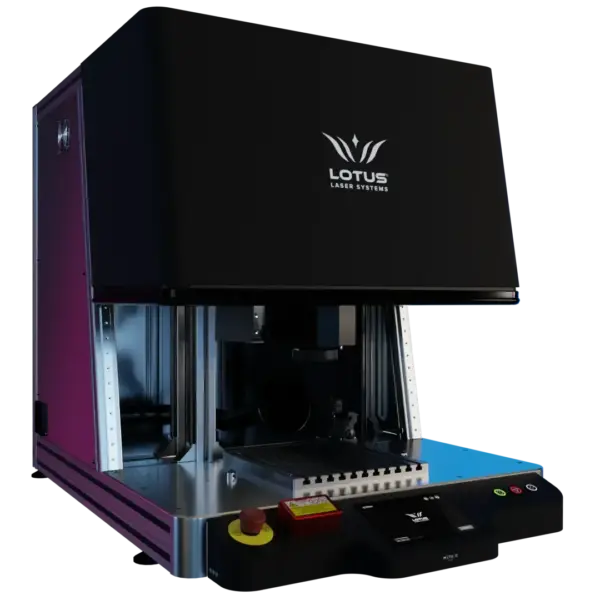
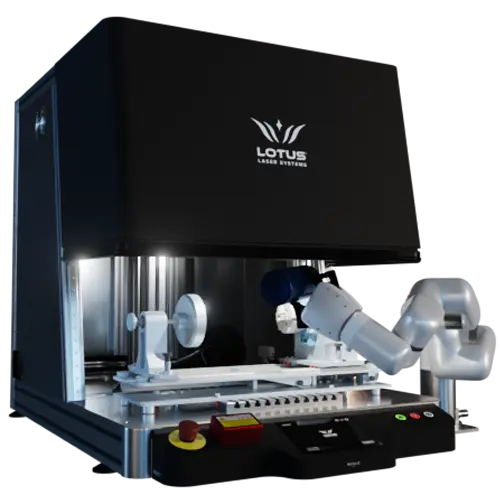
Meta-C-UV


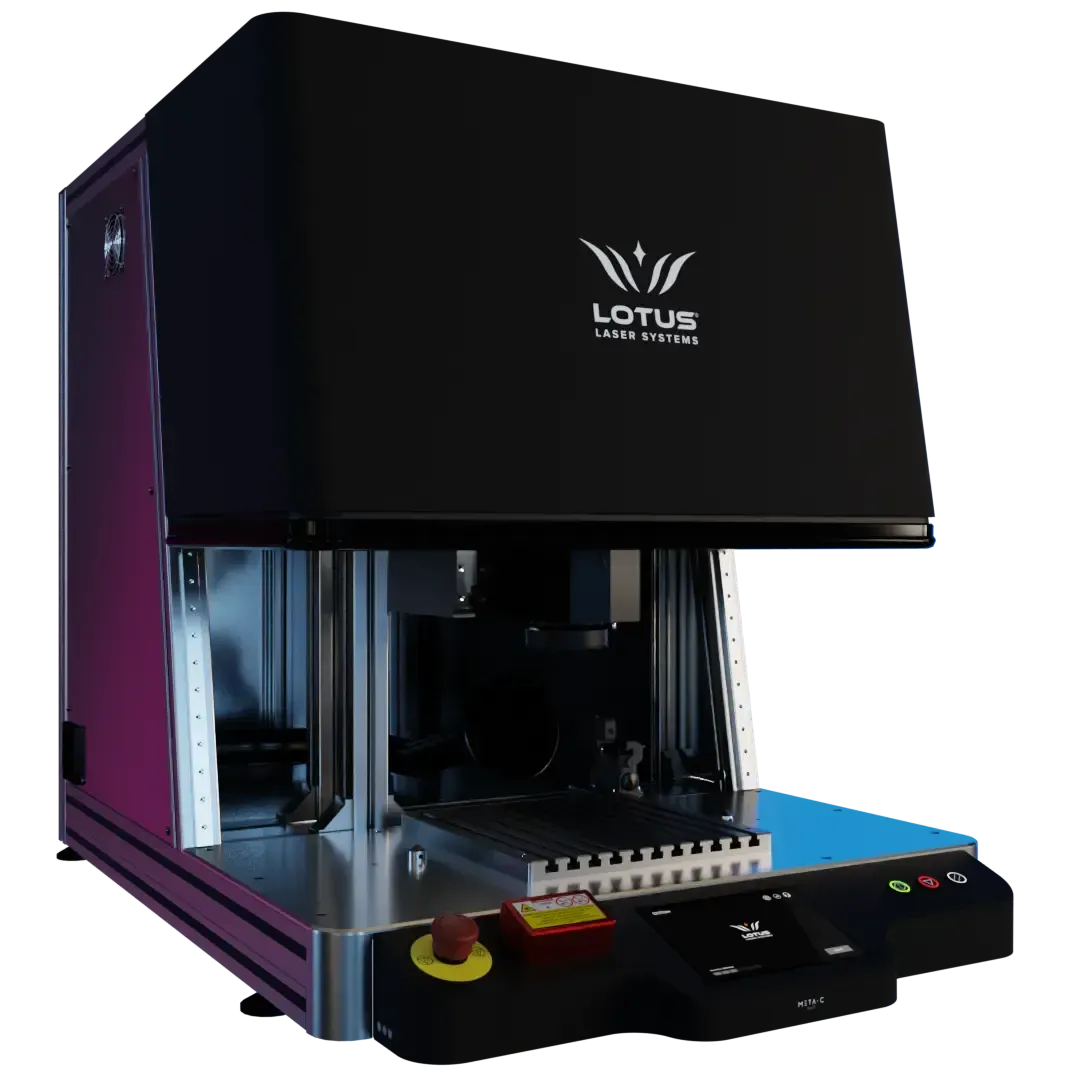
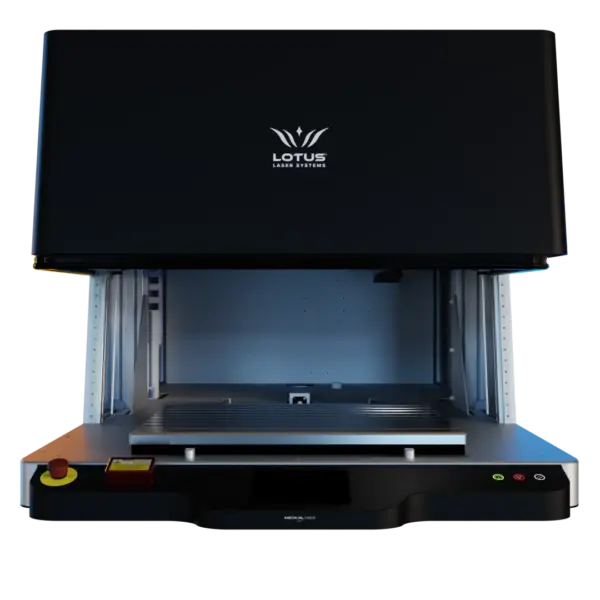
Meta-C

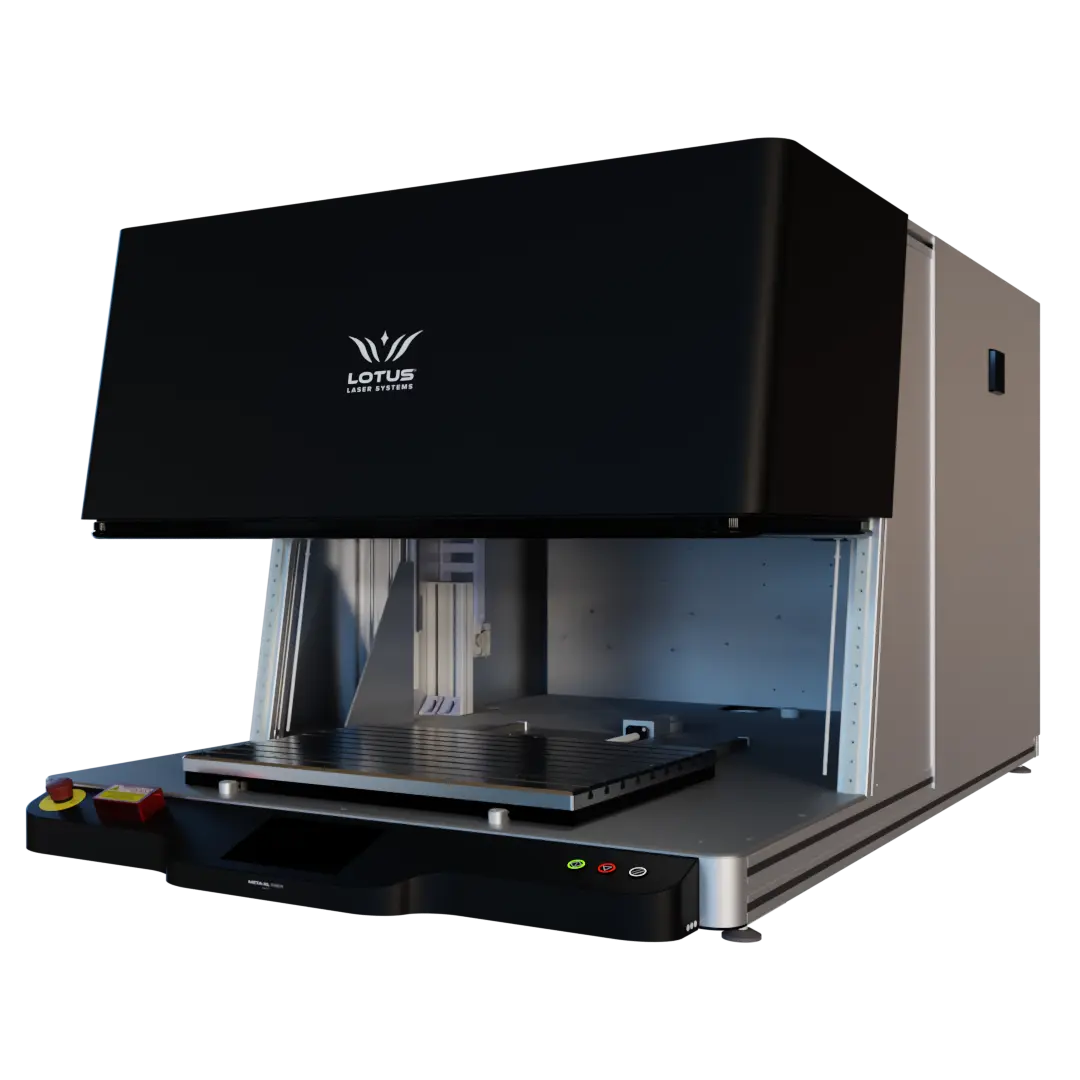
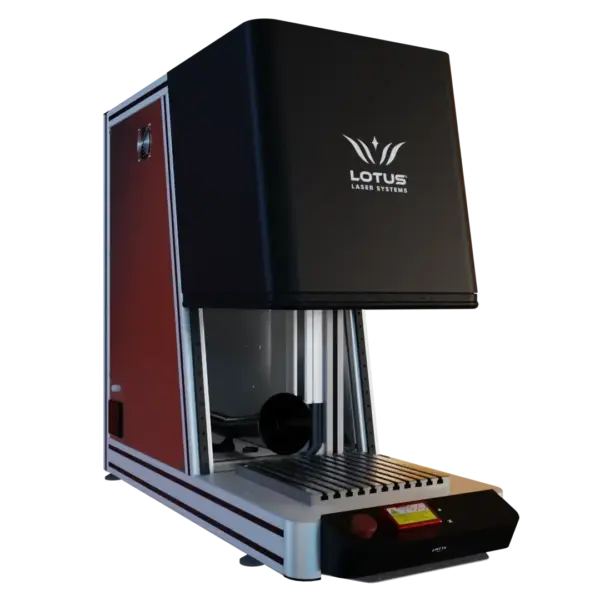
A powerful, production-ready workstation, engineered with leading laser technology for precision, consistency and reliability.

150x150mm (upgradeable to 350x150mm)
Working Area
368mm
Z-Axis (Max Part Height)
790mm x 1175mm x 948mm
Dimensions (WxDxH)
Class 2 Operation
CE Certified
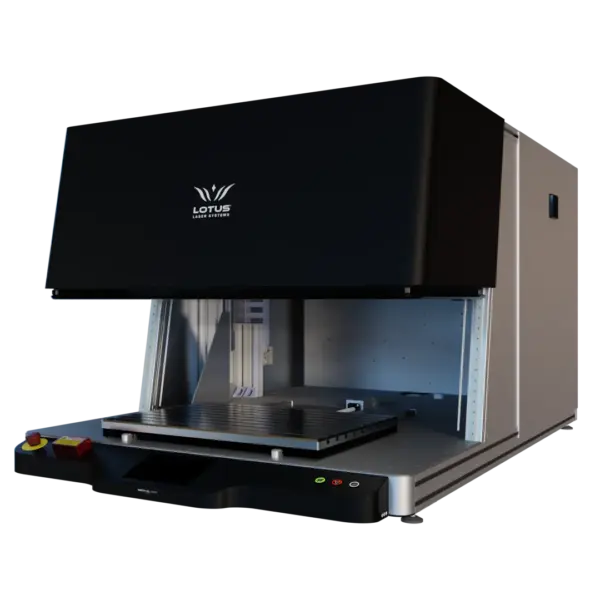
Meta-XY-1


Meta-XY

The same powerful, technology-driven system, expanded for lasering freedom across a larger work area, perfect for batch marking parts.

700mm x 500mm
Working Area
368mm
Z-Axis (Max Part Height)
1140mm x 1975mm x 1885mm
Dimensions (WxDxH)
Class 2 Operation
CE Certified
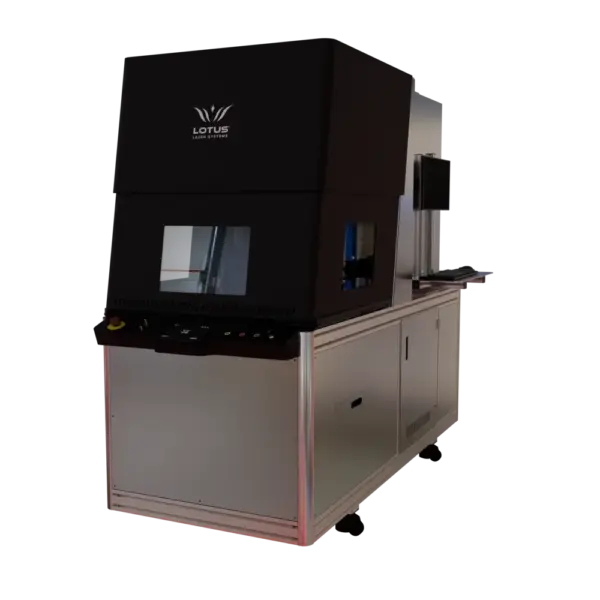
Meta-XY-XL


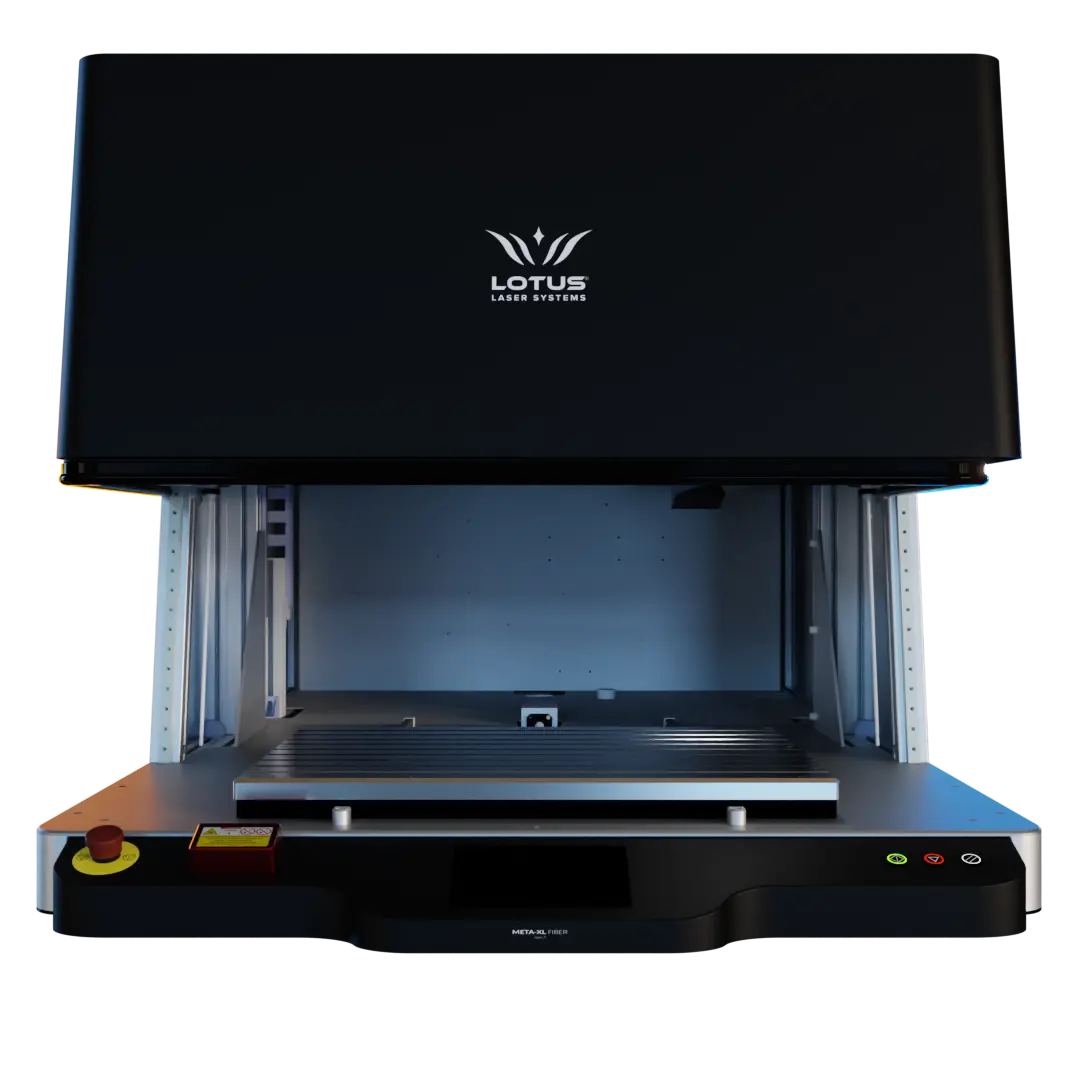
Meta-XY XL

All the performance and leading technology of Meta-C, designed and scaled for the largest parts and maximum laser coverage.

1000mm x 600mm
Working Area
368mm
Z-Axis (Max Part Height)
1452mm x 1890mm x 1893mm
Dimensions (WxDxH)
Class 2 Operation
CE Certified

Popular Types of Plastics Perfect for UV Laser

Plastics are now the backbone of modern industry due to their lightweight strength, chemical resistance, and cost efficiency. Laser marking has become essential across automotive, medical, electronics, packaging, and consumer goods sectors.

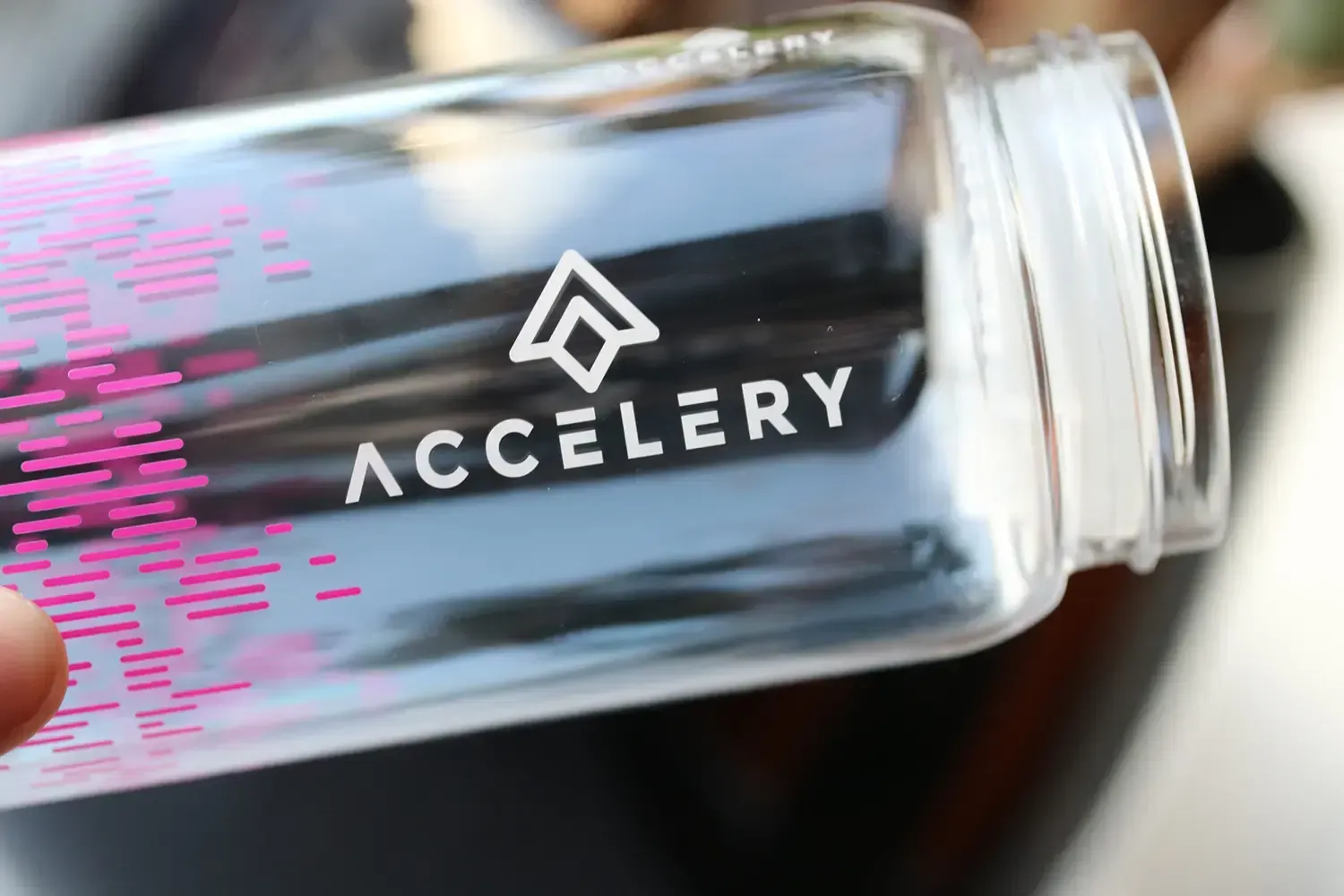
UV lasers are compatible with nearly all common and engineering plastics, including ABS, polycarbonate, PET, PVC, PBT, PA, PP, PS, PI, POM, silicone, rubber, acrylic, Tritan™, foam and 3D printing resins.

If your plastic discolours, melts or warps with other laser types, UV will almost always provide the cleanest result.

Tritan™
Precise, oxide-controlled marks for medical, aerospace and high-end components.
ABS Plastic
High-definition marking on bare or anodised surfaces without melting or smear.
Acrylic
High-contrast black or white marks for traceability, branding and compliance.
Rubber
Clean marking through paints, anodising and surface coatings without contact.
Silicone
Ultra-controlled marking for jewellery and premium components without distortion.
Polycarbonate
Bright, sharp marks with excellent edge definition and minimal heat spread.

Plastic laser marking effects and finishes

Different plastics react differently to UV laser energy. Instead of burning the surface, UV modifies the polymer structure, allowing a range of visible effects without heat damage.

These are the most common finishes achieved on plastic components:

High-contrast foaming

Creates a raised, light-coloured mark on dark plastics.
Common on ABS, PC, PA and filled polymers where clarity is critical.

Surface engraving

Removes a controlled micro-layer to create depth and texture.
Used for logos, tactile markings and durable identifiers.

Colour marking

Alters the molecular structure to produce a visible contrast without engraving.
Used on cosmetic and branding applications.

Micro-etch texturing

Creates a fine surface roughness for subtle contrast and grip.
Often used for decorative or functional surfaces.

Clean ablation

Precisely removes coatings or top layers without affecting the base material.
Used on coated plastics, films and layered parts.